If you live in Port Chester, you know how quickly the seasons can shift—from damp, chilly springs to hot, humid summers. Your https://ac-troubleshooting-in-westchester-county-maintenance-tips.almoheet-travel.com/no-cooling-emergency-in-port-chester-immediate-actions-for-families air conditioning system has to keep up, which is why a structured approach to AC maintenance Port Chester NY homeowners can trust is essential. With strategic scheduling, a seasonal HVAC checklist, and a bit of preventive care, you can improve comfort, cut energy costs, and extend the life of your system.
Below is a practical, local-minded guide to HVAC preventive maintenance, spring AC inspection tasks, summer AC readiness tips, and when to call for professional HVAC tune-up services.
Body
Why seasonal maintenance matters in Port Chester
Port Chester’s coastal climate can be tough on HVAC systems. Pollen, salt-laden moisture, and temperature swings contribute to wear, diminished efficiency, and indoor air quality challenges. Regular Port Chester AC upkeep is more than a box to check—it’s a way to keep utility bills predictable and comfort consistent. A well-maintained system also reduces the likelihood of midsummer breakdowns and improves indoor air quality.
Your seasonal HVAC checklist
Use this framework to align your maintenance with the changing seasons. If you prefer a hands-off approach, most HVAC tune-up services in the area offer plans that cover these items.
Spring: Prep for cooling season
- Schedule a spring AC inspection: This is the cornerstone of summer performance. A technician will test refrigerant levels, electrical components, and safety controls, and verify the thermostat’s calibration. Air filter replacement: Replace the filter before the first extended cooling run. If you have pets or allergies, consider higher MERV-rated filters compatible with your system and check monthly. Condenser coil cleaning: Outdoor coils accumulate grime, salt residue, and organic debris over winter. Cleaning the condenser coils restores heat transfer efficiency and can reduce energy use. Carefully clear vegetation at least two feet around the unit. Drainage check: Ensure the condensate drain and trap are clean to prevent water leaks and musty odors. Duct and vent inspection: Look for visible gaps, crushed flex ducts, or blocked returns. Proper airflow is crucial for energy-efficient AC care. Test run: Run the system on a mild day to catch issues early—odd noises, short cycling, or weak airflow often indicate deeper problems.
Summer: Keep it efficient and reliable
- Summer AC readiness check: Mid-season, do a quick review—filters, outdoor clearance, thermostat schedules, and room vents. Thermostat optimization: Use a 2–4°F setback when you’re away; avoid large setbacks that can strain the system during heat waves. Shade and ventilation: Keep blinds closed on south- and west-facing windows and seal air leaks to help your AC maintain comfort without overworking. Monitor humidity: If your home feels clammy, ask about fan speed adjustments or a dedicated dehumidifier to protect furnishings and prevent mold.
Fall: Transition and protect
- End-of-season cleaning: Remove leaves and seed pods from the outdoor unit; schedule coil rinsing if needed. Final air filter replacement: A fresh filter helps with shoulder-season air quality and prepares the system for next spring. Cover considerations: If you choose a top-only cover for the condenser, ensure it allows airflow and doesn’t trap moisture; avoid tight wraps that invite corrosion and pests.
Winter: Off-season care
- Visual checks: After storms, ensure snow and ice aren’t piled against the outdoor unit. Maintain clearance to prevent bent fins or damage. Indoor air quality: Winter is a great time to address duct sealing and insulation, which pays off in the summer by reducing AC runtime. Plan ahead: Book your spring AC inspection early—technicians’ schedules fill quickly as warm weather approaches.
What to expect from professional HVAC tune-up services
A thorough tune-up goes beyond a quick look. Reputable providers in AC maintenance Port Chester NY should include:
- Electrical testing: Inspect capacitors, contactors, relays, and wiring for wear and proper amperage. Refrigerant evaluation: Measure superheat/subcooling to ensure correct charge, protecting the compressor and maintaining efficiency. Airflow assessment: Static pressure testing, blower wheel inspection, and verification of proper fan speed. Condenser coil cleaning and evaporator coil inspection: Dirty coils waste energy and reduce cooling capacity; cleaning is central to energy-efficient AC care. Safety and controls: Verify condensate overflow protection, test thermostat accuracy, and confirm system cycling. Documentation and recommendations: You should receive readings, photos, and a prioritized list of improvements.
DIY tasks homeowners can handle

- Air filter replacement: Mark your calendar every 30–90 days depending on filter type, home occupancy, and pets. Outdoor unit care: Keep landscaping trimmed; gently hose off loose debris on the cabinet. Avoid pressure washers, which can damage fins. Register and return checks: Keep supply registers open and returns unobstructed by furniture or drapes to prevent airflow imbalance. Thermostat schedules: Align setpoints with your routine; if you have a smart thermostat, enable adaptive scheduling and geofencing.
When to call a pro
- Reduced airflow, hot or warm air from vents, or ice on refrigerant lines. Frequent short cycling or unusually long run times during mild weather. Spiking utility bills without an obvious cause. Water around the indoor unit or a musty smell near supply registers. Loud grinding, buzzing, or clicking from the outdoor unit or air handler.
Efficiency upgrades worth considering
- High-MERV or media filters with low pressure drop: Improve air quality without sacrificing airflow. ECM/variable-speed blowers: Enhance dehumidification and comfort during shoulder seasons and peak heat. Duct sealing and insulation: Leaky ducts are common; sealing can boost delivered capacity and lower bills. Smart thermostats with humidity control: Improve comfort and reduce cycling. Surge protection: Protect sensitive electronics in modern HVAC equipment.
Planning and budgeting
- Join a maintenance plan: Many local providers of Port Chester AC upkeep offer seasonal visits, priority service, and discounts on repairs. Keep records: Track filter changes, service visits, and performance notes to spot patterns early. Align replacements with incentives: If your system is 12–15 years old or needs frequent repairs, explore high-efficiency replacements and utility rebates.
Local considerations for Port Chester
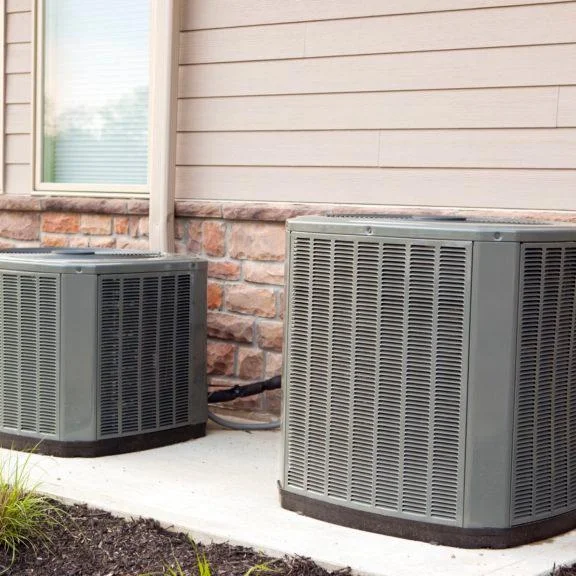
- Coastal influence: Salt air can accelerate corrosion. Ask about coil coatings and regular condenser coil cleaning to extend equipment life. Pollen and debris: Spring pollen and cottonwood can clog coils and filters quickly; increase inspection frequency during peak bloom. Multi-family and older homes: Tight spaces and legacy ductwork may limit airflow; a professional assessment can uncover low-cost fixes for better performance.
Putting it all together
A disciplined approach to HVAC preventive maintenance—anchored by a spring AC inspection and a tune-up before peak heat—delivers the best blend of comfort, reliability, and efficiency. With a seasonal HVAC checklist, smart DIY habits, and timely help from HVAC tune-up services, you’ll be ready for summer AC readiness without last-minute surprises.
Questions and Answers
Q1: How often should I change my AC filter in Port Chester?
A1: Check monthly during peak spring and summer. Most homes do well with air filter replacement every 60–90 days, but homes with pets, allergies, or construction nearby may need monthly changes.
Q2: What’s included in a professional AC maintenance visit?
A2: Expect electrical testing, refrigerant diagnostics, airflow checks, condenser coil cleaning, condensate inspection, thermostat verification, and a written report with recommendations.
Q3: Can I clean my outdoor condenser myself?
A3: You can gently remove debris and rinse the exterior with a garden hose. Avoid bending fins and never use a pressure washer. Deep cleaning and coil chemicals are best left to professionals.
Q4: How do I prepare my system for summer AC readiness?

Q5: Is a maintenance plan worth it for Port Chester AC upkeep?
A5: Yes. Plans typically include biannual visits, priority scheduling during heat waves, and repair discounts—helping ensure energy-efficient AC care and reducing the risk of breakdowns.